
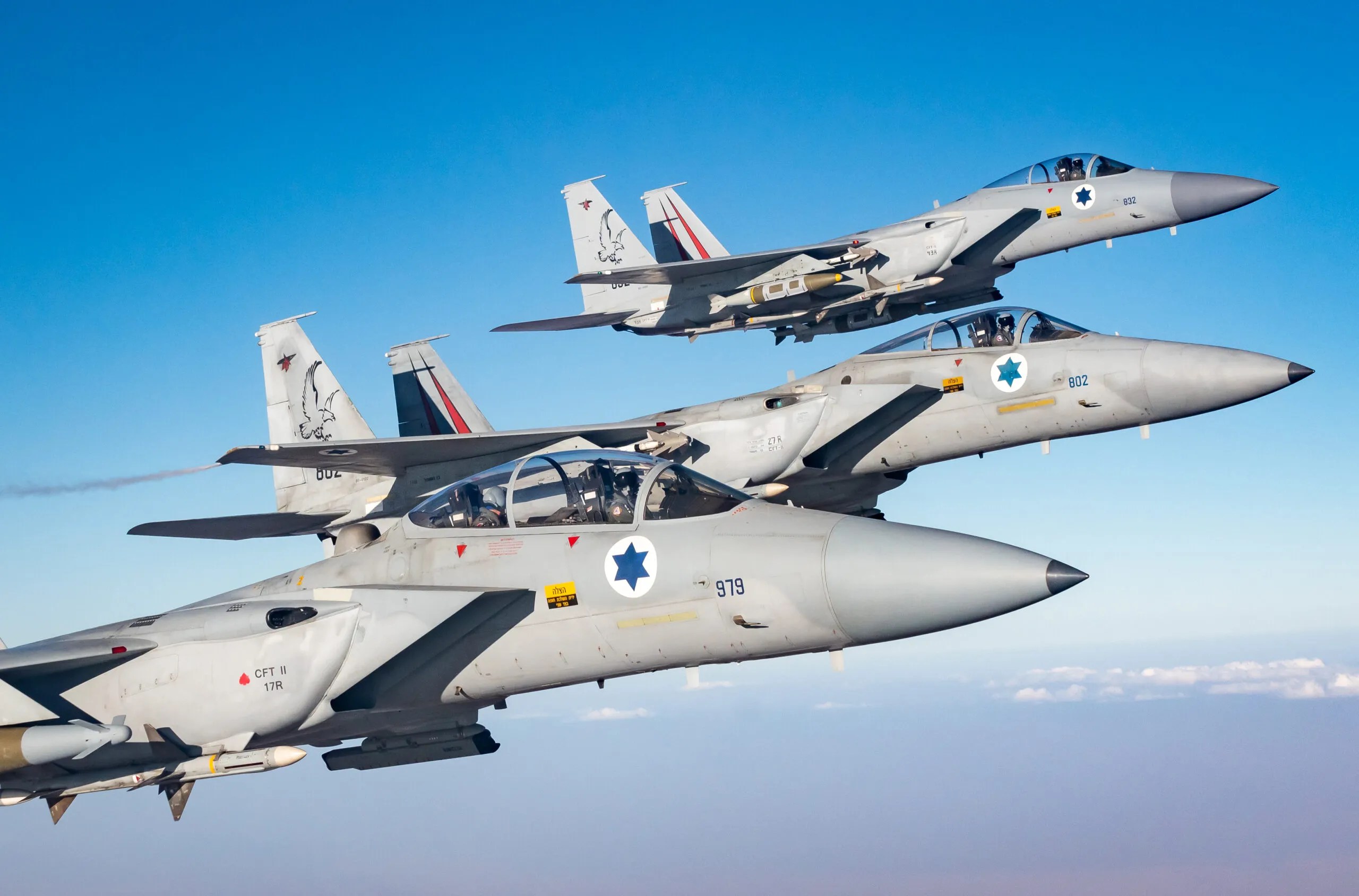
The dust has barely settled from Operation Midnight Hammer, the audacious U.S. strike on Iran’s nuclear facilities at Fordow, Natanz, and Isfahan, and already the airwaves are thick with speculation and spin. Anti-Trump pundits and a cadre of biased reporters have seized on a leaked, low-confidence DIA analysis claiming the strikes merely delayed Iran’s nuclear ambitions by a few months. This narrative, gleefully amplified by those eager to undermine the operation’s success, misses the forest for the trees. The combined American-Israeli assaults likely obliterated key components of Iran’s nuclear infrastructure—burying fissile material and crippling advanced equipment. Yet, the real questions linger: Did Iran spirit away critical materials in the days before the strike, as reports of trucks fleeing Fordow suggest? And does the regime maintain secret facilities, hidden from the world’s prying eyes? For two decades, Iran’s playbook has been one of deception—obfuscating, denying, and only admitting the truth when cornered. We cannot afford to assume the threat is neutralized.
Even if we entertain the best-case scenario—that Operation Midnight Hammer dismantled every immediate nuclear threat—the reprieve is temporary. The Islamist regime in Tehran, driven by fanatical ideologues, is not swayed by the rational incentives that guide civilized nations. The mullahs’ obsession with a apocalyptic vision of Shiite domination overrides any concern for their own people’s suffering or the catastrophic consequences of their actions. When President Trump speaks of peace and economic prosperity in the region, his words fall on deaf ears in Tehran. These are not leaders who negotiate in good faith; they are zealots who justify oppression, terror, and reckless brinkmanship to achieve their twisted goals. A fanatic who wants you dead cannot be reasoned with, no matter the carrots or sticks you wave.
This grim reality demands a singular response: unrelenting vigilance. U.S. and Israeli intelligence must operate with razor-sharp precision, monitoring every move Iran and its proxies—Hamas, Hezbollah, the Houthis, and Iraqi militias—make. International oversight, often hampered by bureaucracy and political cowardice, cannot be trusted to keep Iran’s ambitions in check. Every step toward rebuilding their nuclear or ballistic missile programs must be met with swift, decisive countermeasures. “Maximum pressure” isn’t just a catchphrase; it’s a necessity—economically, diplomatically, and, when required, militarily. The Ayatollah and his proxies must face immediate consequences for any attack, threatened or actual, on American or Israeli interests. Whether it’s a rocket from Gaza, a drone from Yemen, or a cyberattack from Tehran, the response must be overwhelming and unambiguous.
The stakes could not be higher. Iran’s regime has made no secret of its hatred for the West, particularly the United States and Israel. Jews, Israelis, and the symbols of their communities—synagogues, cultural centers, even civilians—are prime targets for a regime that thrives on scapegoating and destruction. The proxies Iran funds and arms are not merely regional nuisances; they are extensions of Tehran’s malevolent reach, designed to destabilize and terrorize. Hezbollah’s arsenal in Lebanon, Hamas’s tunnels in Gaza, and Houthi attacks on Red Sea shipping lanes are all threads in the same web, spun by a regime that sees chaos as a path to power.
As dire as the situation is, one can envision a path to lasting security. The ultimate solution—dismantling Iran’s brutal Islamist regime—cannot be imposed from the outside. The ghosts of Afghanistan, Iraq, and Libya haunt us, reminding us that regime change orchestrated by foreign powers often breeds more instability than it resolves. The Iranian people, however, crushed under the weight of their oppressors, can and must find their own way to overthrow the mullahs and restore a government that values human dignity over ideological fanaticism. Only then can the West lower its guard and realize a future where Iran is a partner, not a pariah.
Until that day, we have no choice but to remain resolute. The risk of attack from Iran and its proxies is not a hypothetical—it is a clear and present danger to Western interests, to innocent civilians, and to the very ideals of freedom and coexistence. We must act with clarity, strength, and an unwavering commitment to defending our people and our values. The mullahs may dream of domination, but we will not let their nightmares become our reality.


 rubenthoughts