Tag Archives: antisemitism

Worry about the real men who really want to kill us

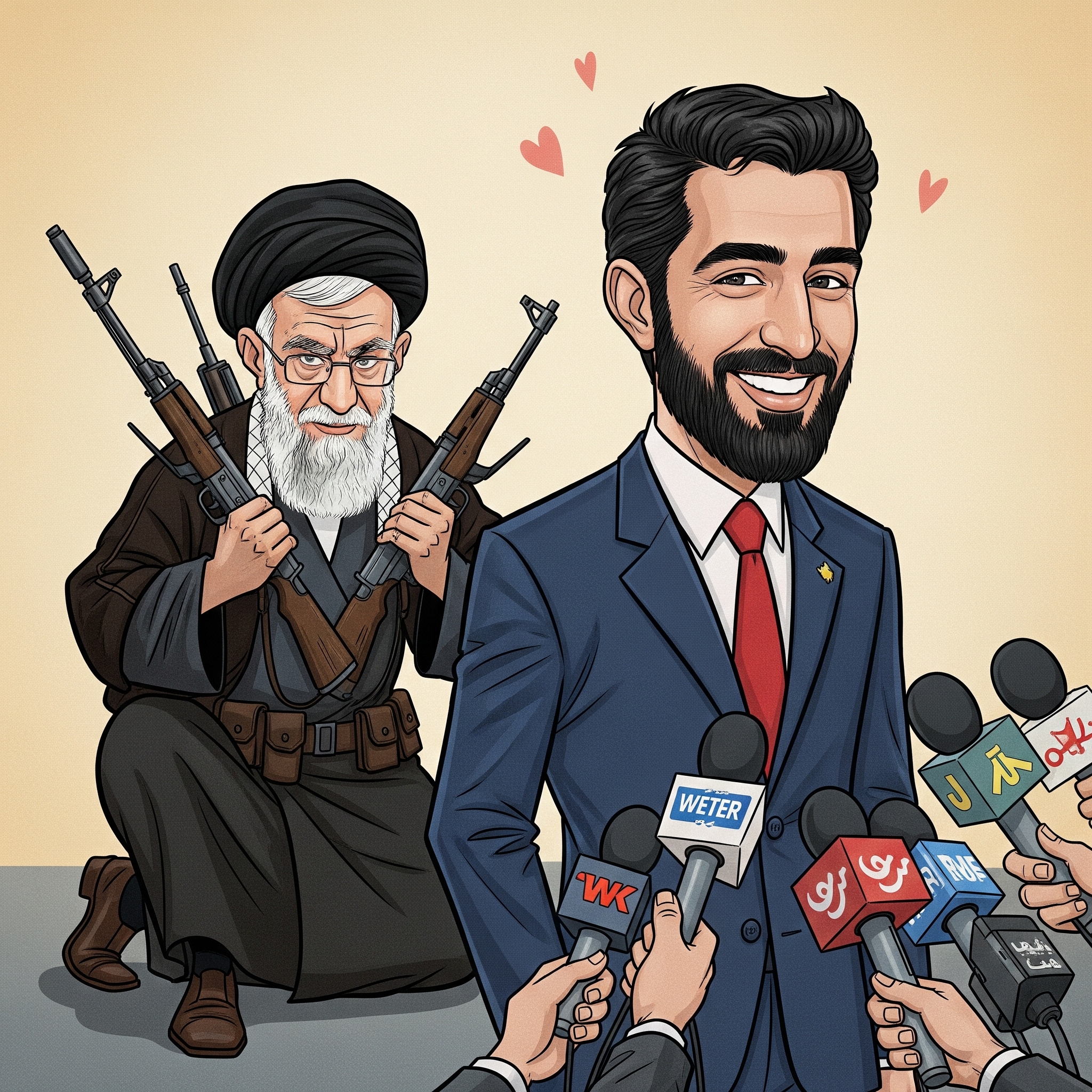
In the overheated arena of Middle East discourse, where passions flare and reason often falters, the rhetoric swirling around Israel reveals a stark divide. On one side, defenders of the Jewish state like me grapple with the complexities of a nation under siege, striving to uphold its right to exist while navigating the fog of war. On the other, detractors—animated by bias, ignorance, or something darker—seize every opportunity to vilify Israel. They obsess over civilian casualties in Gaza, wringing their hands with selective outrage while ignoring the extraordinary measures taken by the Israel Defense Forces (IDF) to minimize collateral damage in their fight against terrorists. Context, it seems, is their enemy. The comparative restraint of Israel’s military, facing threats no other nation would tolerate, goes unmentioned. So does the larger picture: a global Jihadist movement, fueled by an ideology that prizes domination over life itself, and its troubling defenders in the West.

From this cauldron of distortion emerges Zohran Mamdani, the media-savvy leftist vying for New York’s mayoralty, whose anti-Zionist rhetoric has electrified the progressive fringe. Establishment Democrats, caught flat-footed, fumble to respond, fixating on decoding phrases like “Globalize the Intifada” or “From the River to the Sea.” They debate semantics as if words alone were the threat, sidestepping the harder task of confronting what Mamdani and his ilk truly stand for. Parsing slogans is a distraction. Leadership demands clarity about the intentions behind them—not just what is said, but what is meant.

Let’s dispense with the charade. The useful idiots chanting in Western streets, clueless about the Arab-Israeli conflict’s history or the geography of the Levant, are not the real danger. The Islamist political leaders in Turkey, the Gulf, and Iran, along with their fellow travelers in the West, know exactly what they’re saying. Their code is unmistakable: an anti-Western, barbaric ideology that exalts Islamist supremacy above all else—above liberty, truth, or human life. The Ayatollahs in Iran and their proxies, from Hamas to Hezbollah, are blunt about their aim: a world Judenrein, cleansed of Jews.

Their Western apologists, like Columbia University protest leader Mahmoud Khalil, are cagier. Pressed for specifics, they dodge. When CNN asked Khalil if he supports Hamas, he pivoted, proclaiming opposition to all civilian deaths. It’s a sleight of hand, equating the IDF’s painstaking efforts to spare non-combatants with the deliberate savagery of Iran-backed terrorists who embed themselves in schools, hospitals, and mosques, who disrupt aid to starve their own people, who target civilians as a matter of policy.

This moral blurring is no accident. It’s a tactic to obscure the truth: anti-Zionists like Mamdani and Khalil aren’t fighting for Palestinian rights or equality. Their aim is singular—to strip safety and rights from one group: Jews. They cloak their agenda in the language of justice, but their selective fury betrays them. Why else hijack the term “genocide,” a word seared into Jewish consciousness by the Nazi extermination machine? No other people in modern history have faced such a systematic program of annihilation. Yet, in the hands of these amoral moralizers, “genocide” becomes a weapon to libel Israel and the West while absolving the true heirs of Nazism: the Islamists of Gaza, Judea and Samaria, Lebanon, Iraq, Yemen, and Iran.

So while I cringe at the antisemitic rhetoric filling the news cycles and social media threads, it is the relentless commitment to violence that keeps me awake at night. Hamas and Islamic Jihad could end the war in Gaza tomorrow by laying down their arms and releasing their hostages. Instead, they choose to prolong suffering, sacrificing their own people to glorify a genocidal ideology. Their defenders in the West, whether through ignorance or malice, amplify this madness. They scream about Israel’s “disproportionate” response while ignoring the rockets raining on Tel Aviv, the tunnels built to slaughter, the captives languishing in Gaza’s depths. They demand ceasefires but never call for Hamas to surrender. Why? Because their goal isn’t peace—it’s Israel’s erasure – and by extension, our own.
1 Comment

Filed under Foreign Policy, Terrorism, Uncategorized

A generation’s search for purpose

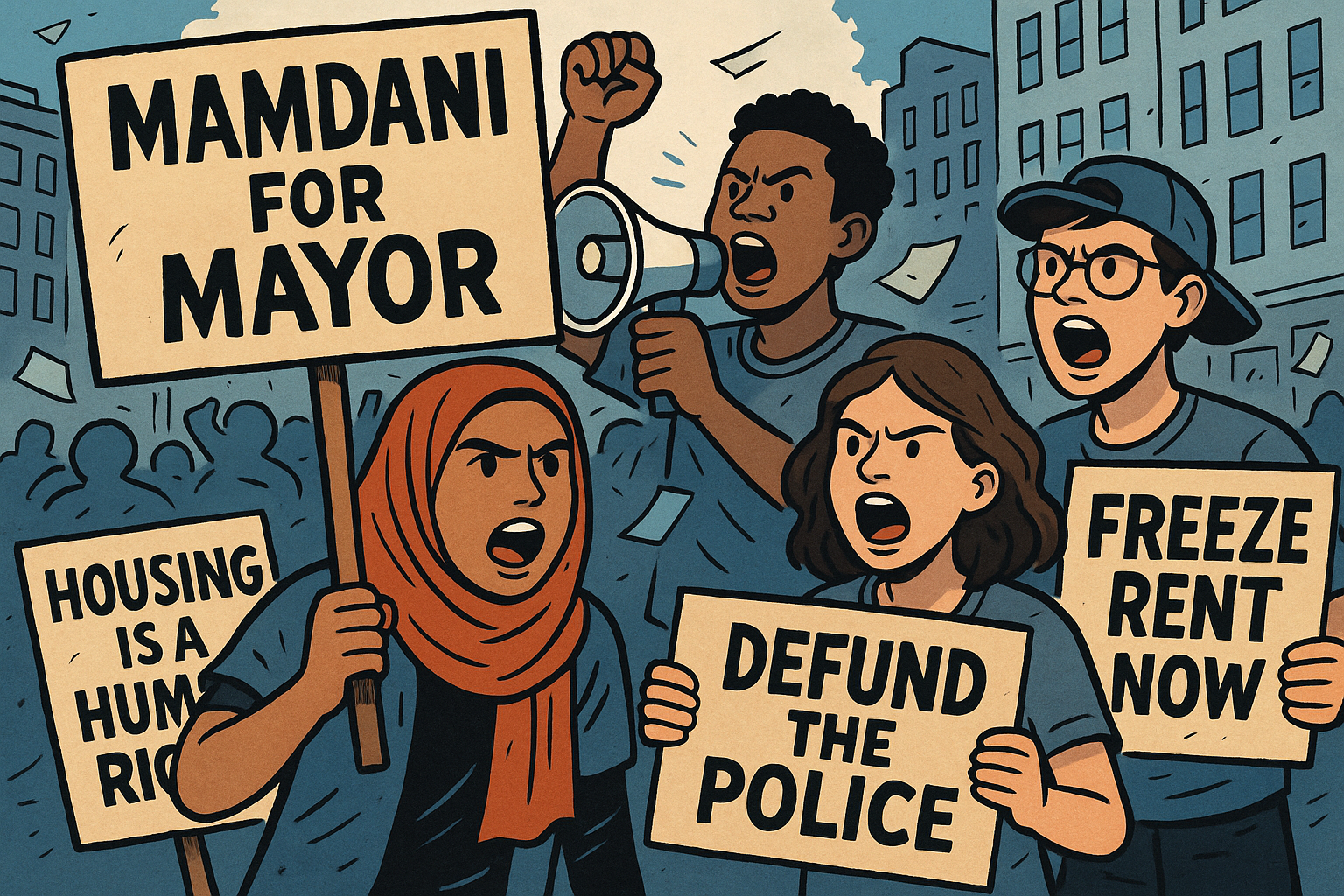
The Democratic primary election for the mayor of New York has sent shockwaves through the political landscape. Zohran Mamdani, a 33-year-old with no relevant experience, secured the nomination on a platform calling for a socialist overhaul of the world’s financial capital — while expressing sympathies for Islamist terrorists in a city home to over 1 million Jewish residents.

Mamdani’s rise seems inexplicable, but it’s a symptom of a broader trend: a generation of young people, adrift in a sea of meaninglessness, latching onto leftist political fads that promise purpose but deliver little substance. For years, young urbanites have flocked to causes that feed their sense of self-righteousness, with little regard for historical context or policy coherence. These bumper-sticker crusades offer a seductive sense of moral superiority, filling a void left by declining religious affiliation and a broader erosion of purpose. In step charismatic figures like Mamdani, who peddle simplistic solutions to complex problems.

Take environmentalism, which has become a near-religious orthodoxy for many young people. They eagerly embrace campaigns championed by the church of climate change, disregarding evidence where green policies backfire.  Poor forest management, driven by senseless regulations, has fueled catastrophic wildfires and released massive carbon emissions.  Utility scale solar and wind projects, hailed as eco-friendly, have led to massive destruction of essential wildlife and habitats.  Bans on plastic bags push consumers toward heavier, more emission-intensive alternatives like paper or cotton.  These contradictions are brushed aside in favor of the warm glow of “doing something.”

The vilification of law enforcement follows a similar pattern. Movements to defund the police or dismantle immigration enforcement have gained traction among young activists, spurred by isolated or fabricated incidents of police misconduct, like the now-debunked narrative surrounding Michael Brown’s death in Ferguson, Missouri.  These campaigns paint law enforcement as inherently oppressive, ignoring the reality that police presence protects vulnerable communities. Data shows that reducing police resources correlates with spikes in violent crime, disproportionately harming minority neighborhoods.  Yet, the allure of “abolition” overrides these inconvenient truths.

Perhaps most troubling is the surge of antisemitism, cloaked as advocacy for Palestinian rights. Protestors chanting “Globalize the Intifada” glorify the Islamist supremacist ideologies driving violence against civilians, including the horrific attacks of October 7, 2023. They frame their activism through a lens of identity politics that absolves radical actors of responsibility, excusing atrocities as “resistance.” This moral relativism thrives in a climate where historical knowledge is shallow, and social media amplifies emotionally charged slogans over nuanced debate.

At the root of these trends lies a deeper malaise. Religious affiliation in the U.S. has plummeted, with only 47% of Americans belonging to a church, synagogue, or mosque in 2020, down from 70% in 1999. This decline has left a void of meaning, particularly among highly educated, urban young people. Into this vacuum flows a torrent of performative activism, fueled by social media’s dopamine-driven feedback loops. Platforms like X amplify viral causes, rewarding outrage and oversimplification over substance. Mamdani’s appeal lies not in a coherent policy vision but in his ability to tap into this milieu, offering gauzy promises—taxing the rich, freezing rents, ending incarceration—that resonate with a generation craving purpose.

These fads are not harmless. Policies born of feel-good ignorance, like defunding the police or banning fossil fuels without viable alternatives, have real-world consequences: rising crime, energy shortages, and economic stagnation. Mamdani’s platform, with its calls for radical redistribution and sympathy for illiberal ideologies, will destabilize a city already grappling with post-pandemic recovery. For his supporters, the appeal lies in the emotional rush of rebellion, not the messy reality of governance. The infatuation with leftist fads reflects a generation’s longing for something greater than themselves. Without the anchoring forces of faith, community, or critical thinking, young people are drawn to causes that offer moral clarity, no matter how detached from reality. Mamdani’s rise is a warning: when purpose is absent, simplistic ideologies and charismatic demagogues rush to fill the void. The challenge for this generation is to seek meaning not in fleeting trends but in a deeper engagement with the world—one grounded in reason, history, and a commitment to truth.

2 Comments

Filed under Uncategorized