Tag Archives: Middle East

A call for vigilance

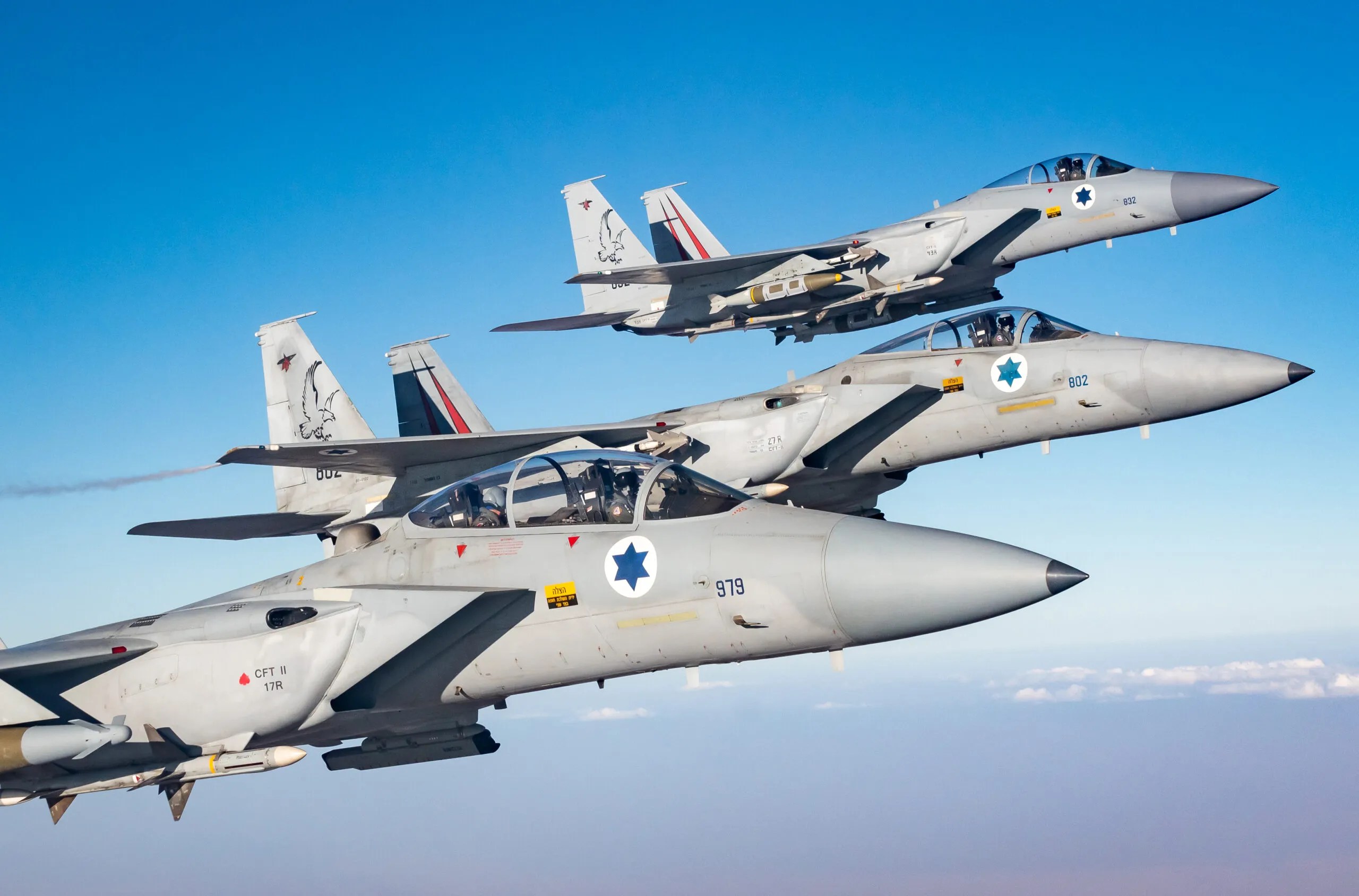
The dust has barely settled from Operation Midnight Hammer, the audacious U.S. strike on Iran’s nuclear facilities at Fordow, Natanz, and Isfahan, and already the airwaves are thick with speculation and spin. Anti-Trump pundits and a cadre of biased reporters have seized on a leaked, low-confidence DIA analysis claiming the strikes merely delayed Iran’s nuclear ambitions by a few months. This narrative, gleefully amplified by those eager to undermine the operation’s success, misses the forest for the trees. The combined American-Israeli assaults likely obliterated key components of Iran’s nuclear infrastructure—burying fissile material and crippling advanced equipment. Yet, the real questions linger: Did Iran spirit away critical materials in the days before the strike, as reports of trucks fleeing Fordow suggest? And does the regime maintain secret facilities, hidden from the world’s prying eyes? For two decades, Iran’s playbook has been one of deception—obfuscating, denying, and only admitting the truth when cornered. We cannot afford to assume the threat is neutralized.

Even if we entertain the best-case scenario—that Operation Midnight Hammer dismantled every immediate nuclear threat—the reprieve is temporary. The Islamist regime in Tehran, driven by fanatical ideologues, is not swayed by the rational incentives that guide civilized nations. The mullahs’ obsession with a apocalyptic vision of Shiite domination overrides any concern for their own people’s suffering or the catastrophic consequences of their actions. When President Trump speaks of peace and economic prosperity in the region, his words fall on deaf ears in Tehran. These are not leaders who negotiate in good faith; they are zealots who justify oppression, terror, and reckless brinkmanship to achieve their twisted goals. A fanatic who wants you dead cannot be reasoned with, no matter the carrots or sticks you wave.

This grim reality demands a singular response: unrelenting vigilance. U.S. and Israeli intelligence must operate with razor-sharp precision, monitoring every move Iran and its proxies—Hamas, Hezbollah, the Houthis, and Iraqi militias—make. International oversight, often hampered by bureaucracy and political cowardice, cannot be trusted to keep Iran’s ambitions in check. Every step toward rebuilding their nuclear or ballistic missile programs must be met with swift, decisive countermeasures. “Maximum pressure” isn’t just a catchphrase; it’s a necessity—economically, diplomatically, and, when required, militarily. The Ayatollah and his proxies must face immediate consequences for any attack, threatened or actual, on American or Israeli interests. Whether it’s a rocket from Gaza, a drone from Yemen, or a cyberattack from Tehran, the response must be overwhelming and unambiguous.

The stakes could not be higher. Iran’s regime has made no secret of its hatred for the West, particularly the United States and Israel. Jews, Israelis, and the symbols of their communities—synagogues, cultural centers, even civilians—are prime targets for a regime that thrives on scapegoating and destruction. The proxies Iran funds and arms are not merely regional nuisances; they are extensions of Tehran’s malevolent reach, designed to destabilize and terrorize. Hezbollah’s arsenal in Lebanon, Hamas’s tunnels in Gaza, and Houthi attacks on Red Sea shipping lanes are all threads in the same web, spun by a regime that sees chaos as a path to power.

As dire as the situation is, one can envision a path to lasting security. The ultimate solution—dismantling Iran’s brutal Islamist regime—cannot be imposed from the outside. The ghosts of Afghanistan, Iraq, and Libya haunt us, reminding us that regime change orchestrated by foreign powers often breeds more instability than it resolves. The Iranian people, however, crushed under the weight of their oppressors, can and must find their own way to overthrow the mullahs and restore a government that values human dignity over ideological fanaticism. Only then can the West lower its guard and realize a future where Iran is a partner, not a pariah.

Until that day, we have no choice but to remain resolute. The risk of attack from Iran and its proxies is not a hypothetical—it is a clear and present danger to Western interests, to innocent civilians, and to the very ideals of freedom and coexistence. We must act with clarity, strength, and an unwavering commitment to defending our people and our values. The mullahs may dream of domination, but we will not let their nightmares become our reality.
Leave a comment

Filed under Uncategorized

Time to tackle the fires burning now

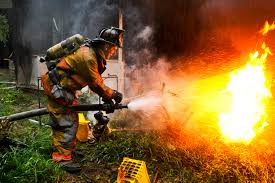
Our free society stands at a crossroads, besieged by real and present dangers that demand decisive action, not hand-wringing over hypotheticals or endless debates about future risks. Yesterday’s U.S. bombing of Iran’s nuclear facilities under President Donald Trump’s leadership is a prime example of confronting a clear and immediate threat head-on, rather than dithering over speculative consequences. Yet, predictably, the usual chorus of naysayers—Democrats, establishment elites, and globalist apologists—are clutching their pearls, fretting about oil markets, constitutional nuances, or Iran’s potential retaliation. This obsession with theoretical problems while ignoring fires burning now is a pattern we’ve seen before, and it’s time to call it out.

Let’s start with a familiar case: the environmental disaster in East Palestine, Ohio. When a train derailment unleashed toxic chemicals into a small American community, liberals were quick to pivot to their favorite talking point—climate change. They’d rather pontificate about carbon emissions in 2050 than address the immediate harm to real people breathing poisoned air today. Meanwhile, President Trump and Vice President JD Vance didn’t hesitate. They visited East Palestine, met with affected residents, and pushed for accountability, cleanup, and now attention to lingering health issues. That’s leadership—focusing on the tangible suffering of Americans now, not some abstract model of future doom.

The same misguided focus plagues economic discussions. Conventional thinkers hyperventilate about Trump’s tariffs-first strategy in trade negotiations with China, warning of inflation or market disruptions. They’re so busy crunching numbers on hypothetical economic models that they miss the real threat: China’s stranglehold on critical supply chains. From pharmaceuticals to rare earth minerals, Beijing holds leverage that could cripple our economy and security overnight. Trump’s approach—using tariffs to force China to the table and to stimulate domestic resilience —addresses this immediate vulnerability. It’s about protecting America’s sovereignty today, not fretting over what Wall Street’s spreadsheets predict for tomorrow.

Then there’s the border crisis. Democrats wring their hands over the fate of millions of illegal immigrants who flooded across our borders during the Biden administration’s lax enforcement. They cry about “humanitarian concerns” while ignoring the chaos unfolding in our cities. Rioters clog our streets, gang members infiltrate our communities, and unvetted terror suspects—potential sleeper cells—slip through unchecked. These are not hypotheticals; they’re happening now. Contrast this with Trump’s no-nonsense policies: a sealed border, ICE detentions of criminal aliens, and the “remain in Mexico” policy that help keep asylum seekers from overwhelming our system. These measures tackle the immediate dangers to our safety and sovereignty, not some utopian vision of open borders that ignores the consequences.

Now, we see the same pattern with the U.S. strikes on Iran’s nuclear facilities at Fordow, Natanz, and Isfahan. Yesterday Trump announced that B-2 stealth bombers and Navy submarines delivered a “spectacular military success,” obliterating key sites in Iran’s nuclear program. This wasn’t a reckless act but a calculated response to a clear and present danger. For over four decades, Iran has been at war with us—sponsoring terrorism, killing American servicemen, and maiming civilians with roadside bombs. Their nuclear program, despite Tehran’s claims of peaceful intent, has long been a ticking time bomb, with facilities like Fordow buried deep to evade attack and enriched uranium nearing weapons-grade levels.

Yet, what do Democrats do? They fret about oil prices spiking if Iran closes the Strait of Hormuz, or they nitpick over whether Trump sought enough congressional approval. They worry about Iran’s “right to self-defense” or the “everlasting consequences” of escalation, as if Iran hasn’t been escalating against us since 1979. Senate Minority Leader Chuck Schumer and House Minority Leader Hakeem Jeffries cry foul, claiming Trump misled the country or violated the War Powers Act. Meanwhile, Iran’s Foreign Minister Abbas Araghchi vows retaliation, conveniently ignoring that his regime has been attacking us through proxies for years. This hand-wringing over hypothetical fallout—oil shocks, diplomatic slights, or Iran’s next move—misses the point: Iran’s nuclear capability was a fire burning now, and Trump put it out.

The critics’ obsession with future risks ignores the reality of Iran’s actions. Over 450 missiles have been fired at Israel since the conflict intensified, and Iran’s proxies, like Hezbollah and the Houthis, have targeted U.S. interests repeatedly. Trump’s strikes, using 14 GBU-57 Massive Ordnance Penetrators and over 30 Tomahawk missiles, targeted the heart of Iran’s nuclear ambitions—facilities designed to produce weapons that could hold the world hostage. Satellite imagery shows craters and debris at Fordow and Natanz, confirming severe damage. Israel’s Prime Minister Benjamin Netanyahu hailed the strikes as historic, and even Israeli opposition leaders agreed they were necessary for global security.

The bottom line is this: leadership means tackling the fires burning now, not debating fire codes for a blaze that might never come. Iran’s nuclear program was a clear and present danger, not a hypothetical. Trump’s decision, backed by Vice President Vance, Secretary of State Marco Rubio, and Defense Secretary Pete Hegseth, prioritized America’s safety and that of our allies. As Vance said, the strikes were a “narrow and limited approach” to set back Iran’s nuclear ambitions by years, not a prelude to endless war.

The naysayers will keep wringing their hands, warning of oil shocks or Iranian reprisals. But what’s the alternative? Letting Iran, the world’s leading state sponsor of terror, inch closer to a nuclear bomb? That’s not leadership; it’s cowardice. Just as Trump and Vance addressed the East Palestine disaster, confronted China’s supply chain dominance, and secured our borders, they’ve now taken bold action against Iran’s nuclear threat. Our leaders must focus on the dangers staring us in the face—rioters, gang members, terror suspects, and rogue regimes—before they consume us. The time for action is now, not when the flames are at our doorstep.

4 Comments

Filed under Uncategorized